March 24, 2026·Aesthetic Study
New Medieval
Precarity met transcendence in the Middle Ages, and design is reaching for the same gilded, hand-forged answer now.

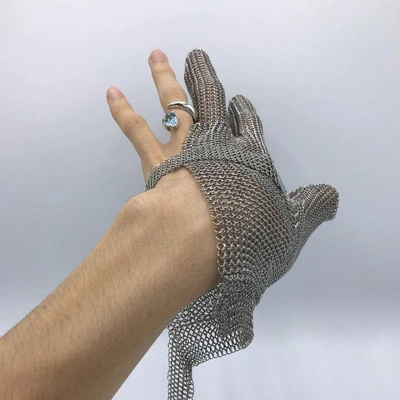
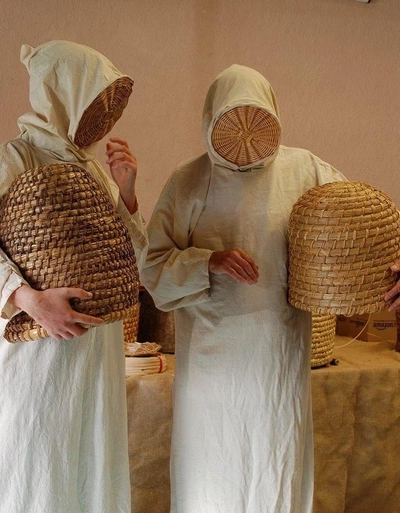
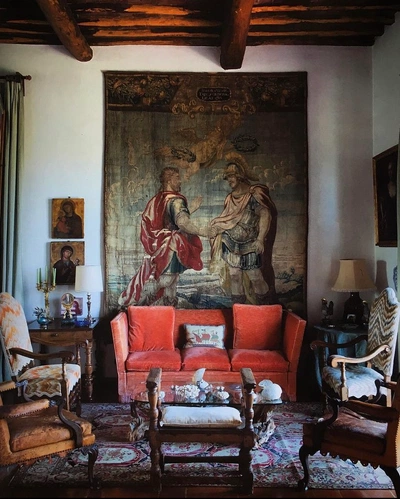
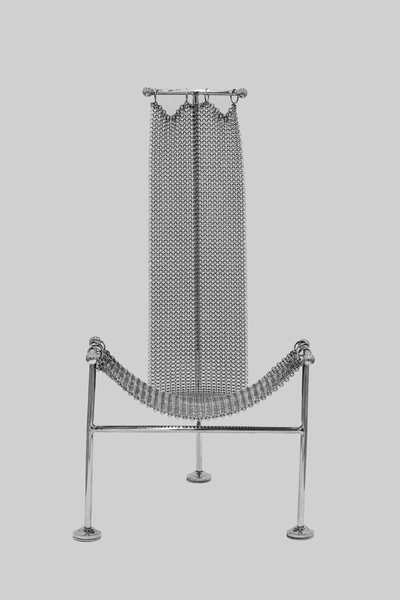
The medieval period was defined by tension between precarity and transcendence — plagues, collapsing empires, and extreme wealth gaps answered with stained glass, gilded reliquaries, and obsessive craft. That same impulse is running through design right now, and it’s been one of the top search terms on Cosmos. Mondo Mondo’s garnet-and-gold jewelry looks like it was pulled from an Anglo-Saxon burial site. Rooms Studio’s talisman mirrors lift their silhouettes from Georgian Orthodox icons. Panorammma rebuilt a 1952 Katavolos chair in hand-linked chainmail. Interiors follow suit: forged metalwork over clean lines, Flemish-style tapestries over gallery white, dark wood and jewel tones over Scandinavian restraint. The throughline runs from Byzantine basilicas through Romanesque carved capitals and Flemish altarpieces — eventually landing in a Brooklyn brownstone with a pilgrim badge pinned to a lapel.
But the version taking hold now collapses the whole timeline — Gothic plus folk plus early Renaissance, flattened into a single room. It’s not nostalgia for the Dark Ages. It’s hope that the things built to outlast empires might outlast algorithms too.
- Teenage Engineering built a synth that plays dragon roars
- Vogue says the “monastic aesthetic” is a major 2026 interiors trend
- Architectural Digest profiles “Middle Ages Modern.”
- Elle explores the “Weird Medieval” fashion trend