June 24, 2026·Aesthetic Study
Zen-X
Zen-X sold Western calm as a retail concept, and now Regen-Z is tearing it up at the thrift bin.
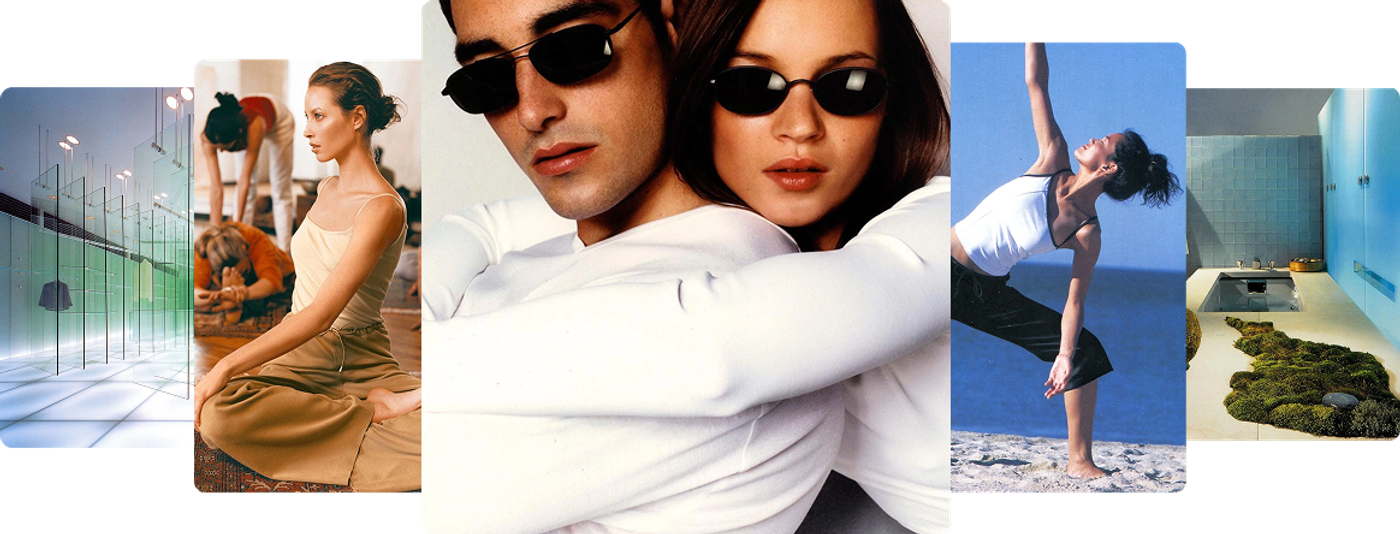
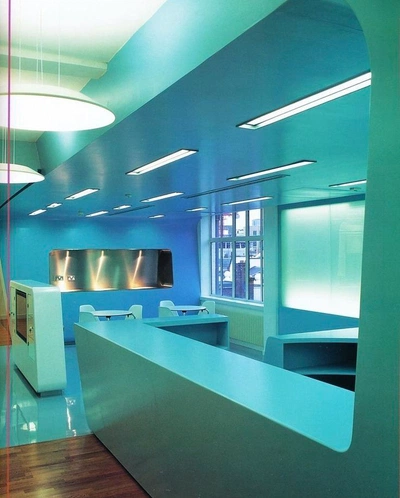
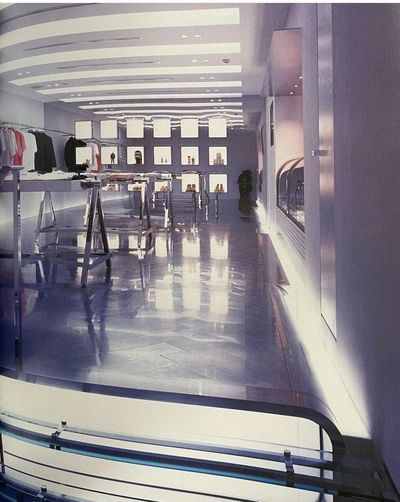
Before “Japandi” had a name, the ’90s had Zen-X — a full retreat from ’80s excess into bamboo, river stones, and the Japanese concept of ma. John Pawson designed Calvin Klein’s stores as monastic white cubes. The Nature Company built stone archways in suburban malls and piped in rainforest soundscapes. Muji erased logos entirely. Donna Karan launched a line called Urban Zen. The Zen-X playbook was part spiritual practice, part retail concept. Think light wood, negative space, wabi-sabi textures, and borrowed Eastern calm applied to Western consumer life.
Every aesthetic produces its own resistance, and the pushback to minimalism-as-status is popping up in the most optimized corners of consumer life. Take the gym, for example. The matching set and technical fabric of brands like Alo and Lululemon are finally giving way to a new wave of late-'90s workout gear, upcycling fashion from thrift bins. Move over, Zen-X — it’s time for Regen-Z.
- The eight minimalist shows that defined the era
- TrackJapan’s growing influence at Milan Design Week
- Japandi is the style everyone wants in 2026
- Why wabi-sabi won’t go away