August 25, 2026·Aesthetic Study
Fresh Patina
From kintsugi to Balenciaga, the fastest way to look real is to look ruined.

The culture is once again in a phase where everything looks worn. There are pre-scuffed sneakers, new wall mirrors “antiqued” to look ancient, phone photos run through filters until they look like light-leaked disposables from 2003. But looking old is nothing new. In Japan, craftsmen mended broken tea bowls with gold — a practice called kintsugi. The Romans copied and aged Greek statues. Even Michelangelo faked an ancient sculpture to pass it off as old.
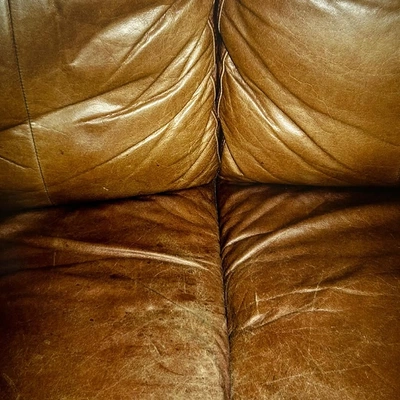
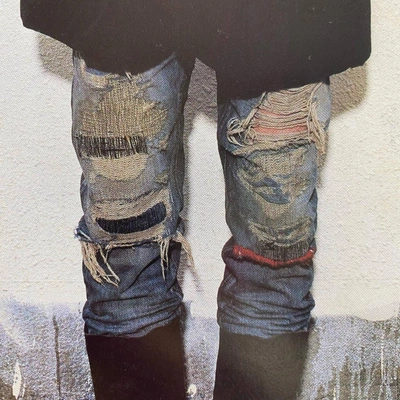
When taste gets so expensive it can start to feel cheap, well-worn items go up in stock. After all, items that are lived-in feel a touch more authentic. Of course, the brands immediately catch up. Balenciaga sells pre-destroyed sneakers, Prada makes stains and iron-burns look couture, and furniture makers sell reclaimed-wood tables already scratched and scarred. When any image can be generated on demand, the marks of age are the marks of “real.”
- How Demna made the destroyed sneaker a luxury object
- Fashion’s trying to make stains happen again
- How wear became the new quiet luxury
- When brands had edges
More from Sequence

Tray Service
Keep the room and the strangers, drop the napkin-folding, and pay only for the part you came for.

Scent Wardrobe
Perfume’s cultural shift: once everyone wore the same scent, and now taste has splintered into hyper-niche indie fragrances built on absurdist concepts like wet mushroom, empty library, and hot dusty lightbulb.