September 22, 2026·Aesthetic Study
Microcinemas
Tiny rooms, mismatched chairs, films too strange to book anywhere else: inside the microcinema revival.

Low Cinema opened last year in a windowless former barber shop in Ridgewood, Queens. It’s the neighborhood’s first new cinema in nearly a hundred years. Inside: 42 secondhand seats, a papier-mâché E.T. that co-founder John Wilson (yes, that John Wilson) made by hand, and a framed counterfeit ticket someone bought off Facebook Marketplace. The ticket scanner beeps on purpose. They had a developer add the sound because a beep reassures people their ticket actually went through.
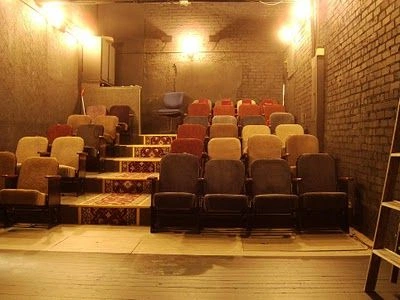
There are others like it all over the world. Los Angeles went from one and a half microcinemas to five or six almost overnight, by one distributor’s count. In Ridgewood, a couple nailed a bedsheet to a rooftop and called it a theater. In Toronto, video store Eyesore Cinema can seat up to 40 people for its off-kilter programming. The rooms all look alike: mismatched chairs, a popcorn machine, an iPad for a box office, 16mm nights, walls papered in flyers.
In cinema’s earliest days, screenings took place in storefronts and tents, with wooden planks for seats and a projector whirring at the back. The microcinema brings that back. The person who picked the film is right there — introducing it, running the projector, working the door. No megaplex glow, no teens talking through the third act.
The programming helps too: films too small or too strange for anyone else to book. The real threat is popularity. And, of course, developers. Whole Foods has signed a 15-year lease in the neighborhood, prompting Low co-founder Cosmo Bjorkenheim to joke: “maybe they’ll put an Alamo next to the Whole Foods.”
- A guide to Brooklyn’s microcinemas
- Watch the trailer for John Wilson’s The History of Concrete
- London is getting its own microcinema in Peckham
- Rent hard-to-find films at the Letterboxd Video Store
More from Sequence

